
Asphalt Shingle Lifespan: Types, Factors & Warranty Guide
Roofing contractors face challenging client conversations daily about how long asphalt shingles last and when replacements become necessary. This disconnect between warranty periods and actual performance creates confusion, with homeowners often surprised by premature failures or unexpected roof maintenance requirements.
With accurate data about shingle durability, you can transform client consultations and set realistic expectations. This guide provides concrete information on the true lifespan of a roof, helping you deliver value, build trust, and position yourself as the expert in your market.
Lifespan Breakdown By Shingle Type
3-Tab Shingle Performance
Basic 3-tab shingles represent the entry-level option in asphalt roofing. Despite carrying 20-25 year warranties, their average roof life typically ranges from 15-18 years in moderate climates and can drop to 10-12 years in extreme weather regions. Performance data shows that 3-tab shingles experience:
- 40% faster granule loss after year 12
- 15-20% higher risk of wind damage after year 10
- 30% increase in moisture penetration after year 15
Understanding the average life of a roof with 3-tab shingles helps set proper expectations with clients considering this economical option.
Architectural Shingle Durability
Middle-tier architectural (dimensional) shingles dominate the residential market. How long do architectural shingles last? With proper installation and maintenance, these products typically deliver 25-30 years of service in moderate climates. Key durability metrics include:
- Superior wind resistance (120-130 mph vs. 60-80 mph for 3-tab)
- 35-40% slower granule erosion rates
- Enhanced resistance to algae and moss accumulation
The life expectancy of roof systems using architectural shingles justifies their higher cost through extended performance and improved aesthetics.
Premium Shingle Longevity
Luxury asphalt products offer the longest service life in the category. While often carrying 40-50 year or "lifetime" warranties, the realistic asphalt roof life expectancy ranges from 30-35 years under optimal conditions. Premium shingles provide:
- 50-60% heavier weight than standard 3-tab products
- Multi-layer construction for improved impact resistance
- Specialized coatings for UV and environmental protection
Factors Influencing Shingle Lifespan
Installation Quality
Installation quality represents the most significant factor determining how long shingle roofs last. Industry data shows improper installation reduces average lifespan by 30-40%, regardless of shingle quality. Critical installation factors include:
- Proper nail placement and penetration depth
- Correct starter strip application
- Adequate flashing at all penetrations and transitions
- Proper valley construction
- Underlayment selection and application
Knowing when to replace shingles often depends more on installation quality than on the roof's age.
Climate and Environmental Impact
Geographic location and climate substantially vary in how long a roof will last. Research identifies these environmental factors as most significant:
- UV Exposure: Regions with 300+ sunny days annually experience 20-25% faster deterioration
- Temperature Fluctuations: Areas with frequent freeze-thaw cycles see 15-20% shorter lifespans
- Wind Exposure: Properties in high-wind zones experience 30% more granule loss
- Salt Air: Coastal installations show 25-30% accelerated aging
The life expectancy of roof systems varies dramatically based on these regional factors, requiring contractors to adjust their recommendations accordingly.
Ventilation and Attic Conditions
Proper attic ventilation extends how long asphalt shingles last by 20-25%. Inadequate ventilation creates temperature problems that accelerate shingle deterioration through:
- Excessive heat buildup (160°F+ in poorly ventilated attics)
- Moisture accumulation causing deck movement
- Ice dam formation in cold climates
- Accelerated thermal cycling
Maintenance Practices
Preventative roofing maintenance delivers significant benefits. Quarterly inspections and annual maintenance can extend shingle life by 3-5 years through:
- Early identification of missing/damaged shingles
- Prompt clearing of debris accumulation
- Regular gutter cleaning to prevent water backup
- Timely treatment of moss/algae growth
Warranty Reality vs. Actual Performance
Understanding Manufacturer Warranties
A roof shingles 30 year warranty rarely guarantees three decades of performance. Modern shingle warranties typically include:
- Material-Only Coverage: Labor for replacement rarely extends beyond 2-5 years
- Prorated Protection: Declining coverage after the initial period (typically 5-10 years)
- Transferability Limitations: Most allow only one transfer with registration requirements
- Installation Requirements: Precise adherence to manufacturer specifications required
As a roofing warranty example, a typical 30-year laminated shingle might offer:
- 100% coverage for the first 10 years
- Prorated coverage decreasing by 5% annually for years 11-20
- Prorated coverage decreasing by 2.5% annually for years 21-30
- Labor coverage limited to the first 2 years
Identifying End-of-Life Indicators
Visual Failure Signs
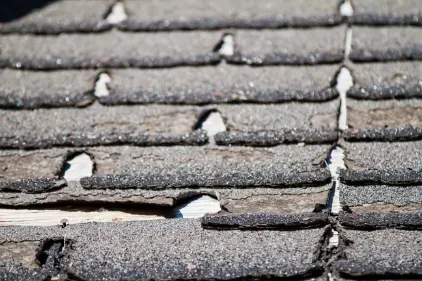
Educating clients about the signs that you need a new roof helps them recognize when replacement becomes necessary. Key indicators include:
- Granule Loss: When granule loss on a roof becomes severe (exposed asphalt exceeding 25% of the surface), UV degradation accelerates rapidly
- Curling and Cupping: Edges lifting more than ¼ inch indicate advanced deterioration
- Cracking: Multiple cracks per shingle signify brittleness from age and UV exposure
- Bald Spots: Areas completely devoid of granules indicate imminent failure points
Performance-Based Assessment
Beyond visual cues, functional issues signal when should a roof be replaced:
- Multiple leak occurrences within 12 months
- Repair costs exceeding 30% of replacement value.
- Shingles failing adhesion tests (easily lifted by hand)
- Interior moisture issues traceable to roof performance
- Excessive granules in gutters after rain events
Knowing the definitive signs you need a new roof allows contractors to provide authoritative guidance on replacement timing.
Age-Based Guidelines
While condition should always take precedence over age, certain thresholds indicate at what age a roof should be replaced:
- 3-tab shingles: Detailed inspection at year 12, expected replacement by year 18
- Architectural shingles: Detailed inspection at year 18, expected replacement by year 25
- Premium shingles: Detailed inspection at year 25, expected replacement by year 35
Maximizing Shingle Performance Through Maintenance
Inspection Schedule
The average roof life can be significantly extended through consistent inspection and early intervention. Here's what we recommend:
- Bi-annual professional inspections (spring/fall)
- Post-storm inspections after significant weather events
- Quarterly homeowner visual inspections from ground level
Maintenance Protocol
Develop a standardized what is roof maintenance protocol that includes:
- Gutter cleaning (quarterly)
- Debris removal from the roof surface (quarterly)
- Moss/algae treatment (as needed)
- Re-sealing of flashing (every 3-5 years)
- Repair of damaged/missing shingles (as discovered)
Implementing a formal maintenance program can extend shingle lifespan by 20-30% and postpone when to replace shingles considerably.
Learn From The Best in the Industry
Do you feel like your roof replacement process could use some work? You're in the right place! RoofCON equips roofing professionals with cutting-edge education that elevates their expertise and enhances client communication. Our industry-specific training delivers actionable strategies for explaining complex concepts like how long roof shingles should last in terms that clients understand. Take your professional development to the next level by joining our event, exploring our roofing industry best practices, and delivering superior results.