
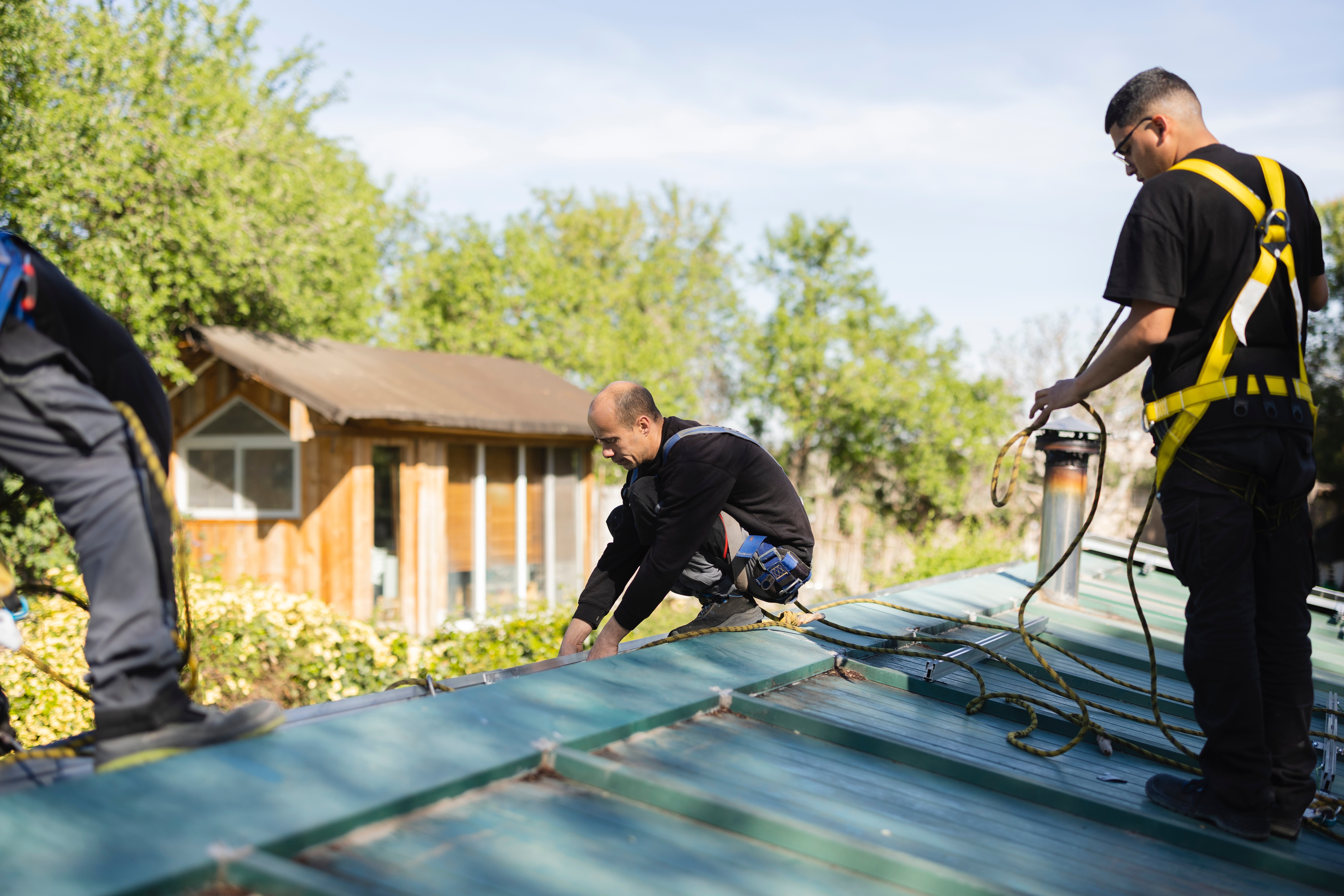
Steep-Slope Roofing Safety Guide
Working on steeply pitched roofs presents significant dangers, resulting in hundreds of injuries and fatalities each year in the roofing industry. Without proper safety measures, even experienced roofers are at high risk of slips, falls, and tool-related accidents when tackling high-angle surfaces. Steep slope roofing safety isn't just about compliance—it's about ensuring everyone makes it home safely at the end of each workday.
This guide covers essential safety protocols that can make the difference between a successful project and a devastating accident. You'll discover the proper equipment, techniques, and planning required for safely working on highly pitched surfaces. Following these best practices will help protect your team while improving efficiency and quality on challenging roofing projects.
Understanding High-Pitch Roof Hazards
Working on steep roofs creates unique challenges that standard flat-roof safety protocols don't adequately address. A roof's steepness dramatically increases the risk of falls, with OSHA defining steep-slope work as any roof with a rise-to-run ratio greater than 4:12 (18.4 degrees). The primary dangers include:
- Reduced friction and stability
- Increased falling distance and momentum
- Greater difficulty maneuvering tools and materials
- Heightened fatigue from constant balance maintenance
High-pitch roof fall protection systems become essential rather than optional when working on slopes exceeding 6:12 (26.6 degrees). Falls from heights remain the leading cause of death in construction, making comprehensive protection non-negotiable.
Essential Fall Protection Equipment
Personal Protective Equipment (PPE)
Before accessing any steep roof, every worker should be equipped with:
- ANSI-rated hard hats
- Slip-resistant footwear with proper ankle support
- Knee pads for extended work periods
- Appropriate weather gear that doesn't restrict movement
This baseline protection works in conjunction with dedicated fall arrest systems to create comprehensive safety coverage.
Fall Arrest Systems
The cornerstone of steep slope roofing safety is a properly implemented fall arrest system. These systems typically include:
- Full-body harnesses that distribute fall forces across the body
- Shock-absorbing lanyards to reduce impact forces
- Rope grabs that lock automatically during falls
- Secure anchor points rated for at least 5,000 pounds of force
A properly configured steep roof harness system prevents falls from becoming fatalities. Always inspect all components before each use, as equipment degradation can happen rapidly in roofing environments. For detailed information about fall arrest system selection, see our comprehensive equipment guide.
Setting Up A Safe Workspace
Pre-Work Safety Assessment
Before workers even access the roof, conduct a thorough safety assessment:
- Evaluate roof structural integrity
- Identify potential hazards (power lines, skylights, weak spots)
- Establish clear communication protocols
- Review emergency procedures with all crew members
Document this assessment and ensure everyone understands their responsibilities in maintaining a safe work environment.
Establishing Safety Zones
Creating designated zones on and around the roof helps organize work and prevent accidents:
- Material staging areas away from edges
- Restricted zones beneath work areas
- Clearly marked access points
- Rest areas on less steep portions when possible
High-pitch roof fall protection isn't just about preventing falls—it's about creating an environment where falls are less likely to occur in the first place.
Proper Steep Roof Work Techniques
The way workers move and position themselves on steep surfaces directly impacts safety. Train your team to:
- Always maintain three points of contact when moving
- Work perpendicular to the roof's slope when possible
- Distribute weight evenly and avoid sudden movements
- Use roof jacks and planking for stable work platforms
The steep roof harness system provides backup protection, but proper technique prevents the need to rely on it.
Discover All About High-Pitch Roofing at RoofCON
Ensuring proper safety on high-pitch roofing projects requires a comprehensive approach that combines equipment, training, and careful planning. By implementing the practices outlined above, roofing crews can significantly reduce the risk of serious injuries and fatalities. RoofCON remains committed to advancing safety standards across the roofing industry through education and practical solutions.
You don't have to navigate these challenges alone. RoofCON brings the biggest experts on steep-slope roofing applications and more. Our events can help you develop customized safety protocols that protect your team while improving productivity and compliance. Ready to join us!