
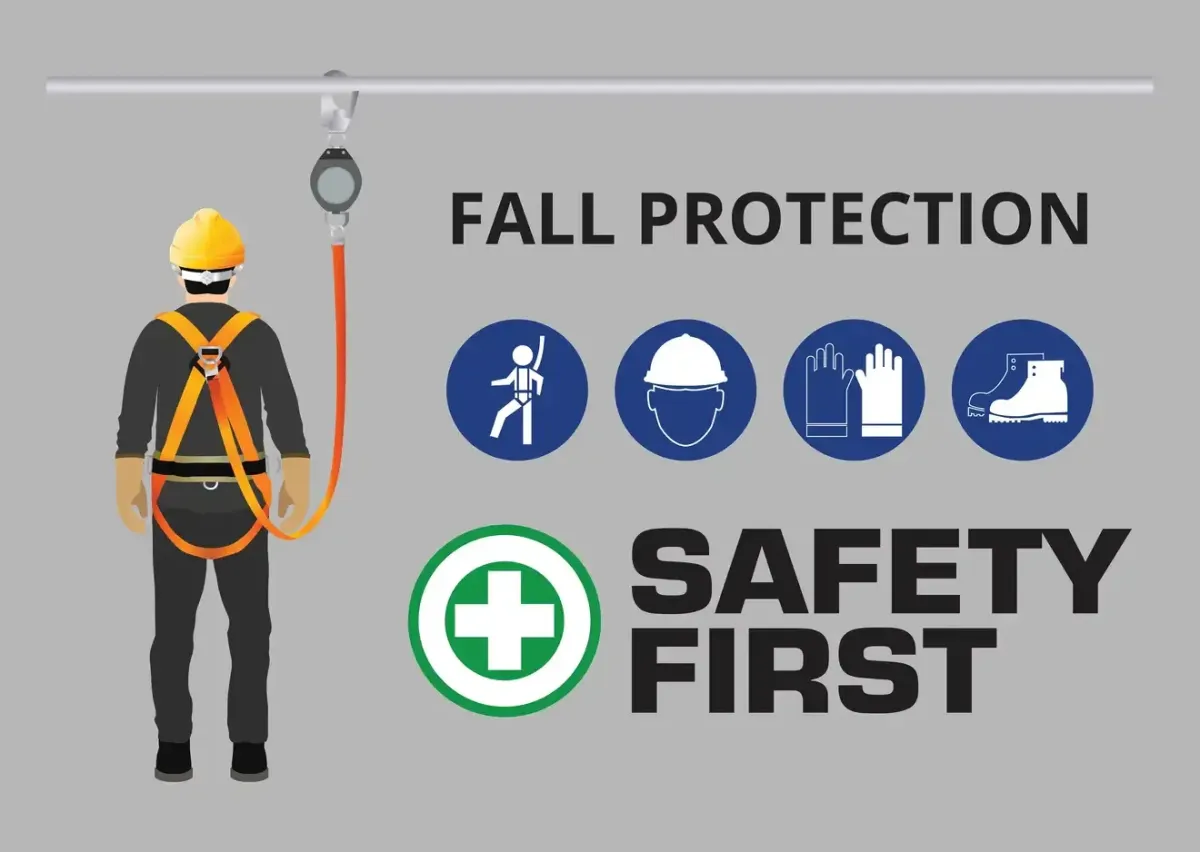
Roofing Safety Standards: OSHA Compliance & Harness Guide
Roofing professionals face risks every day, from fall hazards to extreme weather conditions. Without proper safety measures, these risks can lead to serious injuries, costly project delays, and potential legal issues. Understanding and implementing safety protocols isn't just about compliance but also about protecting your team.
In this guide, we'll explore essential roofing safety standards and proper harness use required by OSHA. You'll learn how to select the right safety equipment, train your roofing crew effectively, and create a culture of safety that benefits everyone involved.
Understanding Essential Roofing Safety Standards
OSHA has established comprehensive roofing safety standards that every contractor must follow. Continuous fall protection, including guardrail systems, safety nets, or personal fall arrest systems, is mandatory for roofs with slopes greater than 4:12.
Key OSHA Requirements
- Fall protection for heights of 6 feet or more
- Proper ladder setup and maintenance
- Training documentation and certification
- Regular equipment inspections
Selecting the Right Safety Harness for Roofers
A proper safety harness for roofers is your primary defense against falls. When selecting harnesses, look for:
- Full-body design with D-rings
- Comfortable padding
- Weather-resistant materials
- ANSI certification
The right safety harness for roofers should balance comfort with security to encourage consistent use. A quality roof safety harness is an investment in both productivity and protection for your team.
Proper Harness Use on Roofs
Training your team on proper harness use for roof installation is crucial. Your crews should:
- Inspect the harness on the roof before each use
- Secure anchor points to structural elements
- Properly adjust straps and connections
Your roof harness anchor points must support 5,000 pounds per worker and be installed on structural members, not decorative elements. The roof safety harness system should be thoroughly tested before each project begins.
Beyond Harnesses: Essential Safety Equipment
While a roof harness is vital, comprehensive safety requires additional roofer safety equipment:
- Non-slip footwear
- Hard hats
- Eye protection
- Weather-appropriate clothing
This roofer's safety equipment creates a complete safety system when used with a proper harness for roofing practices.
Implementing Comprehensive Safety Guidelines
Create thorough roofing safety guidelines that:
- Outline required safety procedures
- Establish equipment inspection protocols
- Include emergency response plans
Effective roofing safety guidelines should be regularly reviewed and updated based on new regulations and industry best practices. Stay current with roofing laws that may exceed federal requirements. Regular training on these roofing laws helps your team understand the roof as a hazard and take appropriate precautions.
Learn More About Roofing Safety at RoofCon
Maintaining strict adherence to safety standards protects your team and business. By investing in proper harnesses for roofing and recognizing the roof as a hazard, you fuel your commitment to excellence.
RoofCON is committed to helping roofing professionals stay informed about the latest safety requirements in the industry and explore marketing for roofing companies. Join us at the upcoming roofing expo to learn more about new roofing technology and safety innovations that can help your crew thrive.