
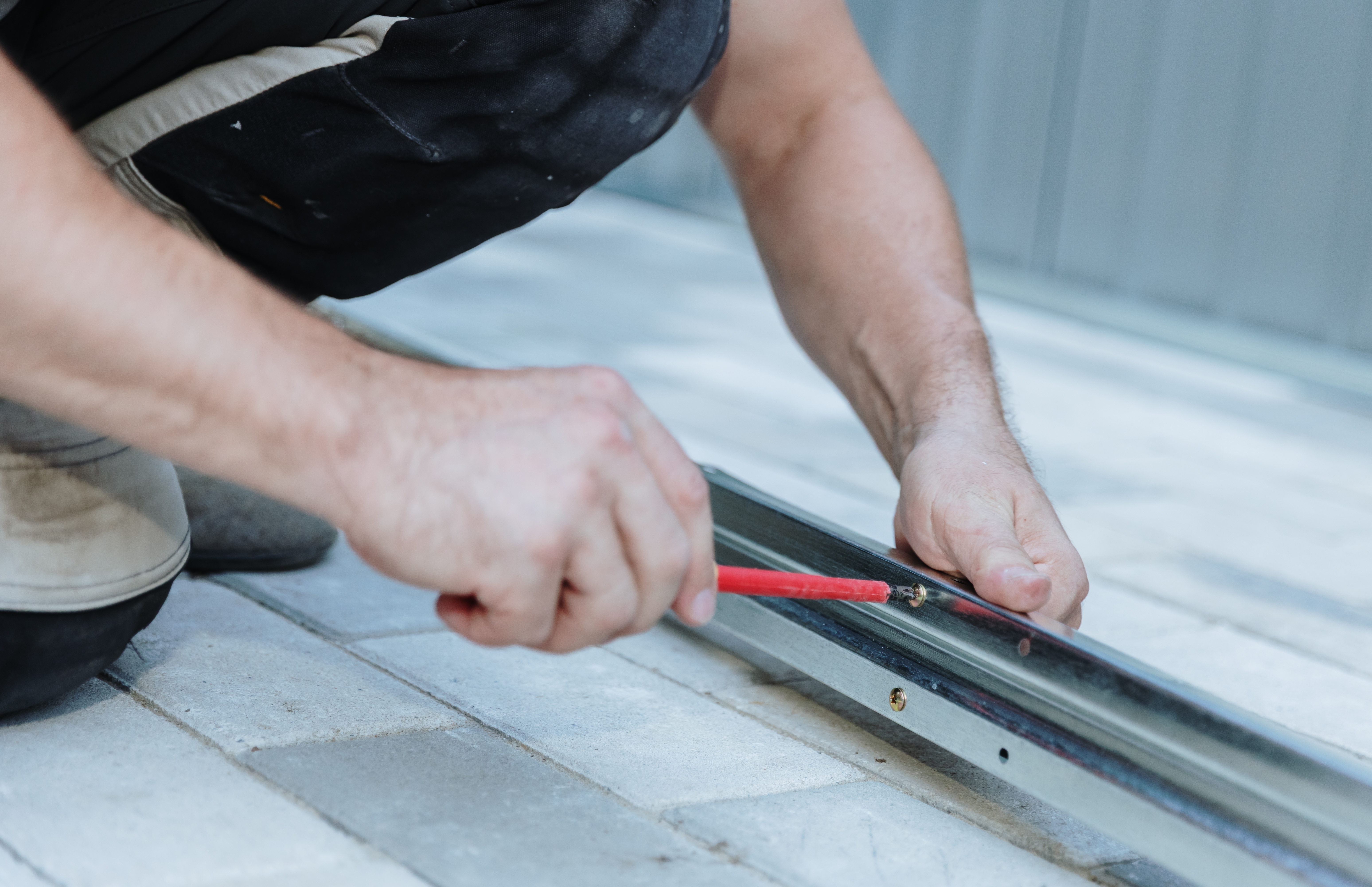
Metal Roof Installation Errors: Avoid Common Mistakes
Metal roof installations can be challenging even for experienced contractors, with seemingly minor oversights leading to significant issues down the line. From incorrect fastener placement to improper panel alignment, these metal roof errors can compromise the integrity of the entire roofing system, resulting in leaks, reduced lifespan, and unhappy clients.
In this guide, we'll explore the most common metal roofing pitfalls and how to avoid them. By understanding these potential trouble spots, you'll be able to deliver higher-quality installations, reduce callbacks, and build a stronger reputation for excellence. The key to success lies in recognizing these issues before they become costly problems.
Improper Fastener Installation
One of the most frequent metal roofing mistakes occurs during the fastening process. Using incorrect fasteners or installing them improperly can lead to leaks and structural weakness.
Over-Driving Screws
When fasteners are driven too tightly, they compress the neoprene washer excessively, preventing it from sealing properly. This creates a pathway for water infiltration and accelerates corrosion around the fastener.
Under-Driving Screws
Conversely, leaving fasteners too loose fails to create a watertight seal and may allow the metal panels to shift or lift during high winds. Always follow manufacturer recommendations for proper torque settings.
Inadequate Panel Overlap
Panel overlap issues rank among the top metal roof installation issues reported by experienced contractors. Insufficient overlap creates vulnerable points where water can penetrate.
Minimum Overlap Requirements
Most manufacturers specify minimum overlap measurements based on:
- Roof pitch
- Panel profile
- Local climate conditions
- Expected weather exposure
Always consult the specific product guidelines rather than relying on general practices, as requirements vary between systems.
Failing to Account for Thermal Movement
Metal expands and contracts in response to temperature fluctuations, and overlooking this natural property can lead to serious metal roofing mistakes. Proper installation must accommodate this movement.
Fixed vs. Floating Points
- Use fixed points at ridges
- Install floating connections elsewhere
- Allow for movement in valleys and transitions
- Avoid overtightening fasteners that restrict thermal expansion
Ignoring these considerations can result in oil-canning, buckling panels, and fastener failure over time.
Overlooking Proper Flashing Details
Flashing represents a critical component of any metal roofing system, yet improper installation ranks among common metal roof errors. Pay particular attention to:
Critical Flashing Areas
- Roof-to-wall transitions
- Valleys
- Chimneys and penetrations
- Eave and ridge details
These areas require precise cutting, bending, and sealing to prevent water intrusion. Using shortcuts or improvised solutions often leads to callback headaches and damage to one's reputation.
Ignoring Underlayment Requirements
The foundation of any quality metal roof begins with appropriate underlayment. Metal roof installation issues frequently stem from choosing the wrong type or improper installation of this critical layer.
Synthetic vs. Felt Options
Select underlayment based on:
- Local building codes
- Roof pitch
- Climate considerations
- Panel system requirements
Remember that high-temperature underlayments are essential beneath metal to prevent degradation from heat buildup.
Upgrade Your Services Today
Delivering exceptional metal roofing installations requires attention to detail and awareness of these common pitfalls. RoofCON understands the challenges contractors face and provides the resources, training, and support needed to elevate your installation quality. By implementing these error prevention strategies, you'll protect your reputation and deliver roofing systems that stand the test of time.
Ready to enhance your metal roofing expertise and connect with industry leaders? RoofCON offers the perfect environment to refine your skills and stay current with best practices. Save your spot today!