
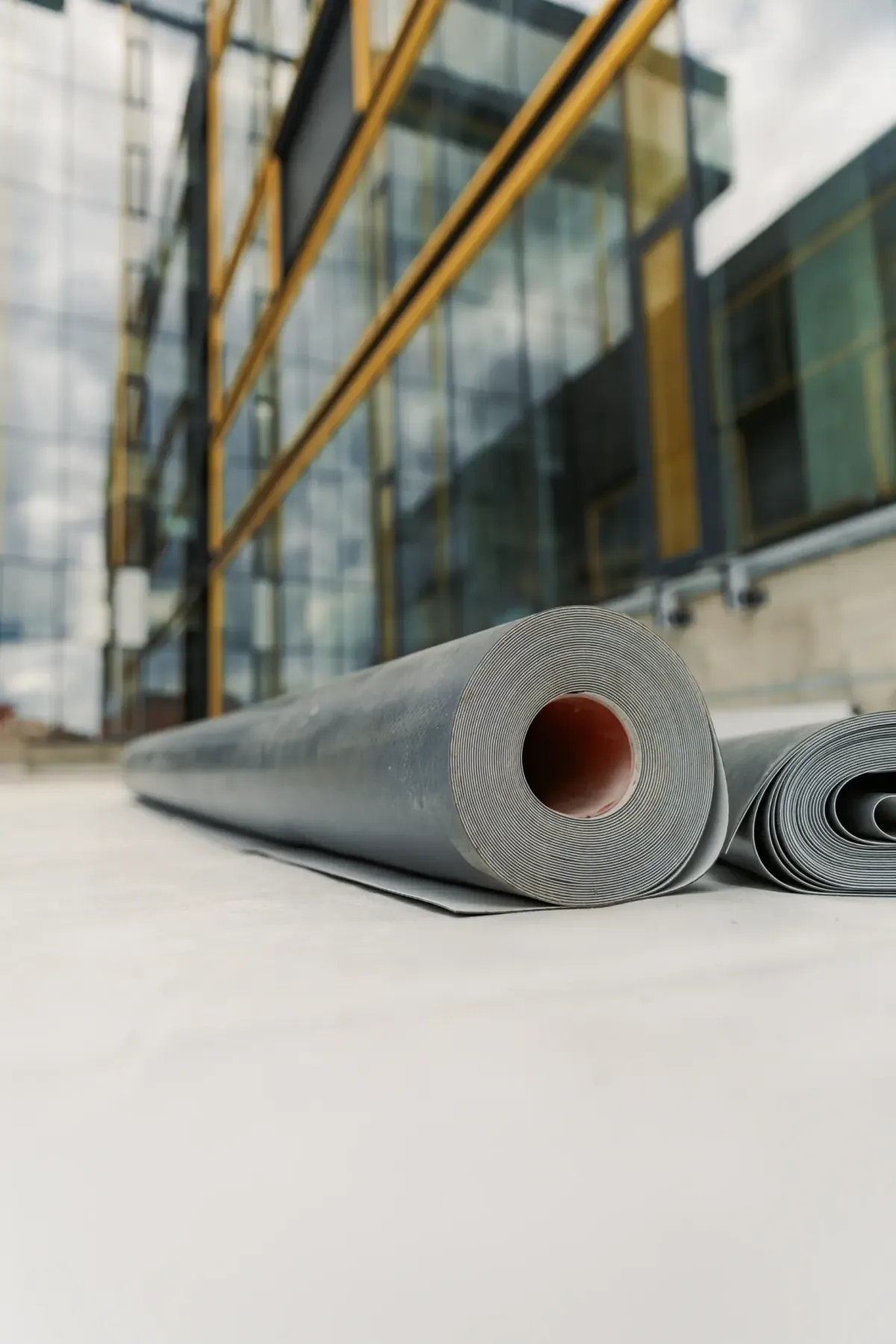
EPDM vs TPO vs PVC: Commercial Roofing Guide
Commercial building owners face critical decisions when selecting roofing systems, with membrane materials often causing the most confusion. The differences between EPDM, TPO, and PVC can significantly impact a building's performance, energy efficiency, and maintenance requirements over decades. Making the wrong choice can lead to premature failures, excessive energy costs, and compatibility issues with existing structures.
This technical breakdown explores the fundamental differences between these popular commercial membrane roofing options. We'll analyze their chemical compositions, performance characteristics, installation considerations, and long-term reliability factors. This guide will help you make data-driven recommendations to your clients based on their specific commercial construction requirements and environmental conditions.
Material Composition and Properties
EPDM vs TPO vs PVC: The Chemical Basics
Modern flat roof membranes are available in various formulations, each with distinct chemical properties that impact their performance.
EPDM (Ethylene Propylene Diene Monomer) is a thermoset synthetic rubber compound containing ethylene, propylene, and a small amount of diene monomer. Its cross-linked molecular structure provides excellent UV and ozone resistance but limits heat-weldability.
TPO (Thermoplastic Polyolefin) combines polypropylene and ethylene-propylene rubber with reinforcing fillers. This thermoplastic material can be repeatedly softened and hardened through heating and cooling, making seam welding possible.
PVC (Polyvinyl Chloride) contains chlorine atoms along its polymer backbone, requiring plasticizers and stabilizers to maintain flexibility. This composition provides PVC with superior chemical resistance but raises concerns about plasticizer migration over time.
Performance Characteristics and Durability
Weather and UV Resistance
EPDM offers exceptional weathering resistance, maintaining flexibility in temperatures from -40°F to 300°F. Its carbon black content provides inherent UV protection, contributing to service lives exceeding 30 years in properly installed systems.
TPO incorporates UV stabilizers and reflective pigments, with better heat resistance than PVC but less flexibility in cold temperatures. Formulations continue to evolve, with newer generations showing improved durability.
PVC offers excellent weatherability due to its chlorine content, although it requires more substantial UV stabilizer packages. Its heat-welded seams maintain integrity throughout thermal cycling, outperforming adhesive-based systems.
Installation Considerations
Seaming Methods and Application Requirements
Flat roof membranes vary significantly in installation methodology. EPDM typically utilizes adhesive-based seaming systems, which require careful surface preparation and temperature control during application. Self-adhered EPDM products have simplified installation but carry premium costs.
TPO and PVC utilize heat-welding equipment operating at specific temperature ranges (typically 750-850°F for TPO and 650-750°F for PVC). This creates a molecular bond stronger than the membrane itself but requires skilled technicians and quality control testing.
All three commercial membrane roofing systems require appropriate substrate preparation and attachment methods (mechanically fastened, fully adhered, or ballasted) based on wind uplift requirements and building structure.
Chemical Resistance and Specialty Applications
Different commercial environments present unique challenges related to chemical exposure. PVC demonstrates superior resistance to oils, greases, and hydrocarbon compounds, making it ideal for restaurants, manufacturing facilities, and areas with grease exhaust.
TPO offers moderate chemical resistance with better performance against acid rain than EPDM. Meanwhile, EPDM excels in environments with high ozone exposure but can degrade when exposed to petroleum products or cooking grease.
Provide The Best Roofing Systems for Your Clients
When evaluating EPDM vs TPO vs PVC roofing systems, consideration must extend beyond initial costs to performance requirements, building use, local climate, and maintenance capabilities. RoofCON provides comprehensive membrane roofing solutions backed by extensive technical expertise and material science knowledge.
Our certified installation teams collaborate with commercial contractors to select and implement the most suitable roofing system, tailored to specific building requirements and environmental factors. We understand that proper membrane selection is the foundation of a successful commercial roofing project.