
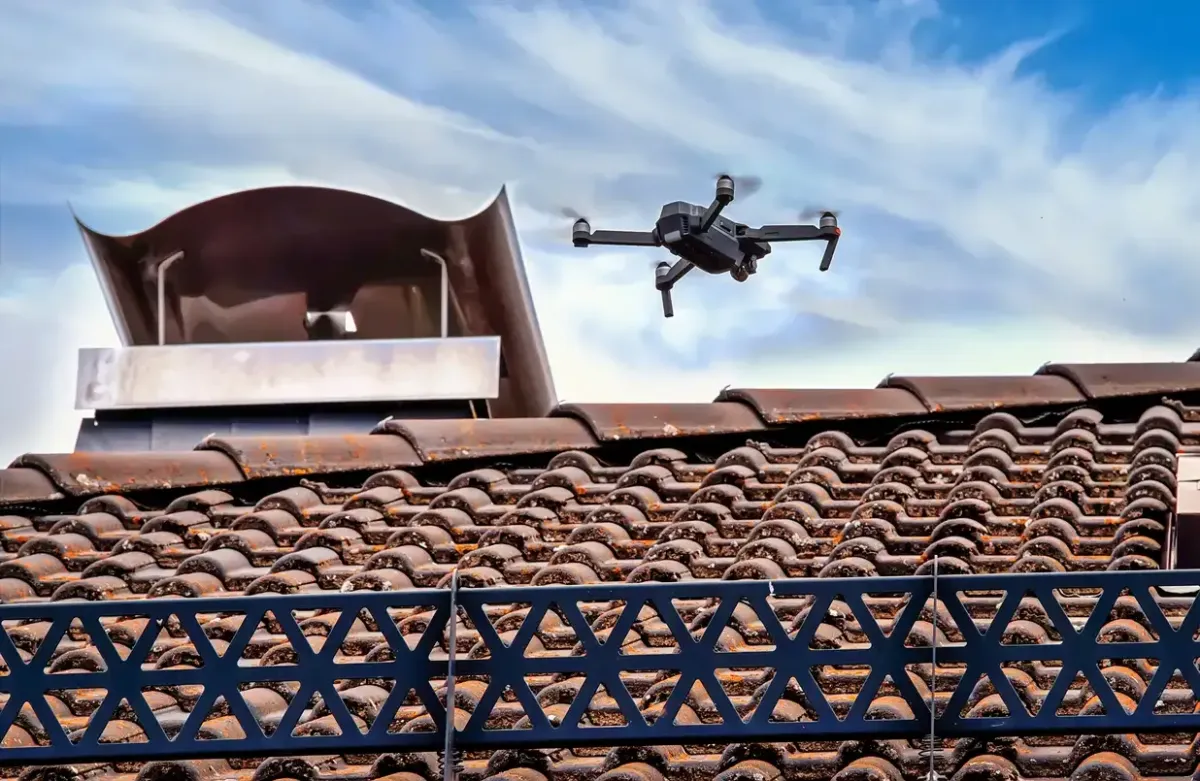
Drone Roof Inspection Guide: Aerial Technology for Roofers
Roof inspections have always been challenging, time-consuming, and potentially dangerous. After all, climbing ladders, walking on steep surfaces, and navigating fragile materials can be risky even for the most experienced roofers. That's why drone roof inspections have become lifesavers, offering a safer and more efficient alternative when working on various residential and commercial roof types.
Today's roofing contractors choose advanced technologies to stay competitive and improve service quality. Drones for roof inspections provide comprehensive aerial views without putting workers at risk, while delivering more detailed information in less time. Keep reading to discover how this technology can transform your operations.
Safety Benefits of Aerial Roof Inspections
Safety remains the primary advantage of implementing aerial roof inspections in your roofing business. Traditional inspection methods require workers to physically access potentially unstable or damaged roofs, creating significant injury risks. If you choose roof inspections with drones, you won't need to:
- Climb tall ladders
- Walk on steep or damaged surfaces
- Navigate difficult-to-access areas
- Work at dangerous heights
Enhanced Efficiency and Accuracy
You can't deny the perks of roof inspection drone technology. What previously took hours or even days can now take minutes. A drone can capture hundreds of high-resolution images of a roof in a single flight, providing detailed documentation of its condition.
Time-Saving Benefits
- Complete inspections up to 80% faster than manual methods
- Inspect multiple properties in a single day
- Generate reports more quickly with automated tools
- Reduce labor costs significantly
Drones in inspections also provide more consistent and comprehensive data, capturing angles and details that you might usually miss during manual inspections.
Advanced Inspection Technologies
Modern inspection drones offer sophisticated capabilities beyond standard photography. Infrared drone roof inspection technology can identify moisture intrusion and energy loss invisible to the naked eye. These thermal images highlight temperature differences that indicate potential problems beneath the surface.
For contractors working with solar installations, drone solar inspection provides an efficient way to check panel placement, connections, and performance. Using specialized cameras, drones can identify:
- Damaged or malfunctioning panels
- Hotspots indicating electrical issues
- Shading problems affecting efficiency
- Installation quality and alignment
Implementing Drones in Your Roofing Business
Adding roof inspections with a drone to your service offerings requires some initial investment and training. However, the return on investment typically happens quickly through increased efficiency and expanded service capabilities.
To get started with drone thermal roof inspection and other aerial services, you'll need:
- FAA certification (Part 107 license)
- Quality drone equipment with appropriate cameras
- Software for processing and analyzing imagery
- Staff training on operation and data interpretation
Many roofing conferences now offer specialized sessions on drone technology integration and best practices. You can assist these events to network, explore the latest advancements and discover new roofing materials.
Improve Safety and Performance with Drone Inspections
Performing drone roof inspections gives you a competitive advantage in the industry. As technology continues to evolve, drones for roof inspections will become increasingly sophisticated and accessible, and there's no better place to learn about it than RoofCon.
RoofCON is committed to helping roofing professionals stay at the forefront of industry advancements. Whether you're looking to win more roofing bids or build a team of experienced roofers, the lessons at our events could give you the edge you need. Ready to scale your projects?