
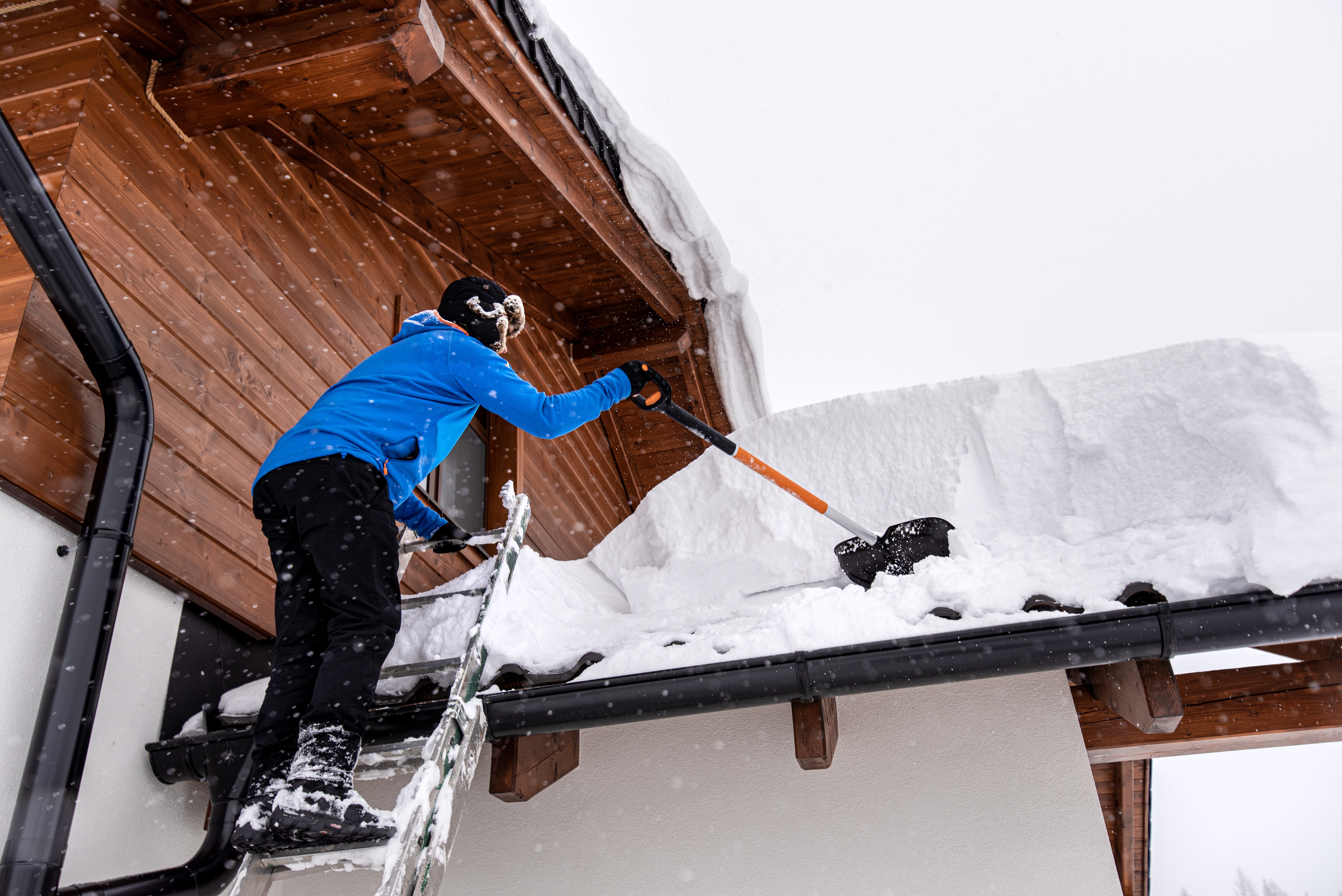
Commercial Roof Snow Removal Guide
Heavy snow accumulation can pose a significant problem for commercial roofs, particularly when considering the potential for collapse, water damage, and costly repairs. When winter storms hit, proper snow removal becomes crucial for preventing these hazards and maintaining the structural integrity of commercial buildings. Without timely intervention, the weight of accumulated snow can exceed design specifications, leading to catastrophic failures.
This guide outlines essential best practices for commercial roof snow removal that industry professionals need to know. We'll explore equipment selection, removal techniques, safety protocols, and maintenance planning to help you deliver superior service. By implementing these strategies, you'll be better equipped to handle winter challenges while protecting both properties and work crews.
Understanding Roof Snow Load Dynamics
Critical Weight Factors
The roof snow load capacity varies significantly between commercial buildings, depending on design, age, and construction materials. Flat roofs typically collect more snow than pitched surfaces, while factors such as wind patterns, nearby structures, and roof obstructions can create uneven distribution. Modern buildings are engineered with specific roof snow load ratings, but older structures often have lower tolerance thresholds requiring more frequent monitoring.
Warning Signs of Excessive Accumulation
Be alert for visible sagging, unusual creaking sounds, and doors or windows that suddenly become difficult to open or close. These symptoms often indicate that commercial roof snow weight is approaching critical levels. Indoor water stains during freezing temperatures typically indicate that snowmelt is backing up behind ice dams and requires immediate attention before serious damage occurs.
Essential Equipment Selection
Specialized Tools
For safe roof snow removal, maintain a versatile equipment inventory including:
- Plastic snow shovels (metal can damage roofing materials)
- Snow rakes with extension poles
- Roof-safe ice melt products
- Snow blowers modified for roof use (when appropriate)
- Heated cables for drainage paths
Safety Gear Requirements
Never compromise on protective equipment:
- Fall protection harnesses and anchors
- Non-slip footwear with enhanced traction
- High-visibility clothing
- Hard hats and safety glasses
- Insulated, water-resistant gloves
Removal Techniques and Best Practices
Staged Removal Process
Always remove snow in layers rather than attempting to clear the full depth in one pass. Start with a thin top layer (2-3 inches) and work downward, leaving about an inch of snow above the roof surface to prevent membrane damage. Work in a systematic pattern across the roof, distributing crew weight evenly to avoid creating dangerous point loads.
Working Around Roof Features
Take extra care around vents, HVAC equipment, skylights, and drainage systems to prevent accidents. Create clear paths to drains and scuppers to allow melting snow to leave the roof. Mark these features before heavy snowfall if possible, as they can become hidden and vulnerable to damage during removal operations.
Safety Protocols for Winter Work
Team Communication Guidelines
Establish clear snow removal roof safety procedures before beginning work. Assign specific roles, including safety monitors who remain on alert for changing conditions. Use two-way radios for communication, especially in severe weather when visibility might be limited. Never allow workers to operate alone on a snow-covered roof.
Weather Monitoring
Snow removal roof safety begins with weather awareness. Schedule removals during appropriate weather windows—avoid working in high winds, during active snowfall, or in extremely cold temperatures. Having a reliable weather monitoring system can help teams make informed decisions about job timing and crew protection.
Learn More About Best Practices at RoofCON
RoofCON brings specialized expertise in commercial roof snow management, helping businesses protect their properties throughout the winter season. We pride ourselves on supporting roofers nationwide so they can provide thorough seasonal maintenance for their clients.
Don't wait until snow accumulation becomes a structural threat to your commercial property. Partner with RoofCON's experienced team to develop a customized winter roof maintenance plan that addresses your specific building needs and protects your investment year-round.