
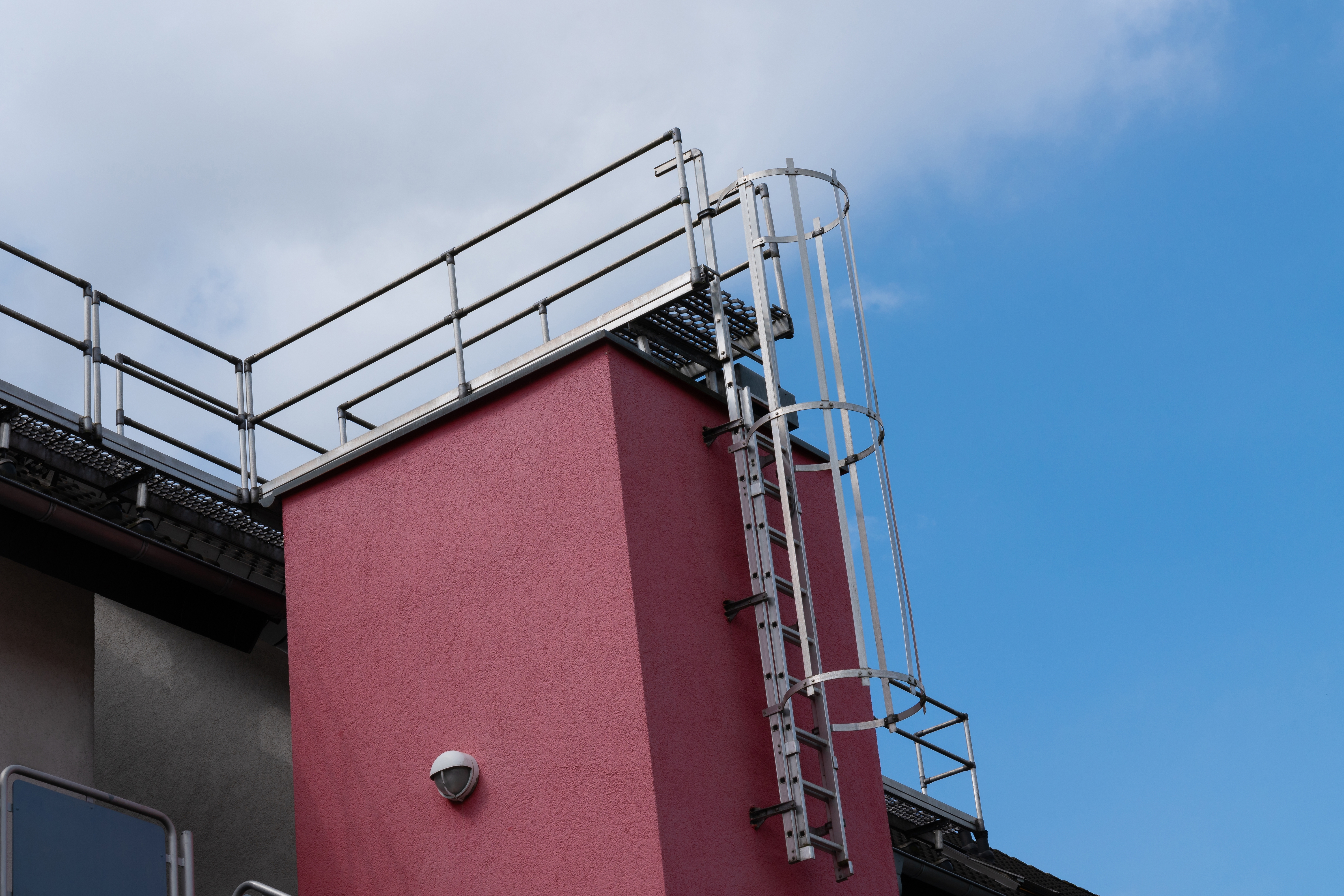
Roof Access Safety Checklist for Commercial Buildings
Commercial roof access presents significant safety challenges for facility managers and contractors. Without proper protocols, routine maintenance, and inspections can lead to workplace accidents, regulatory violations, and potential liability issues. Deteriorating access points and inadequate safety equipment contribute to an unsafe working environment.
This comprehensive checklist will guide you through essential commercial roof access safety requirements that keep your team protected and your facility compliant. From ladder placement to hatch specifications, we'll cover critical components that ensure your commercial roofing operations meet industry standards. Keep reading to ensure your roof access points aren't putting your team at risk.
Ladder Safety Essentials for Roof Access
Proper roof ladder safety begins before anyone sets foot on the first rung. Every commercial facility should have clearly documented ladder protocols that specify equipment selection and correct usage techniques.
Ladder Selection and Inspection
- Use commercial-grade ladders rated for your specific weight requirements
- Inspect for structural damage and proper locking mechanisms
- Ensure stable footing and appropriate height (extending 3 feet above the roof edge)
- Document all ladder inspections with dates and findings
Roof ladder safety requires proper positioning. Always place ladders on level ground with a 4:1 ratio (for every 4 feet of height, the base should be 1 foot from the wall). Secure the ladder at the top whenever possible and maintain three points of contact during climbing.
Critical Roof Hatch Requirements
Access hatches are vital transition points between building interiors and rooftops. Current roof hatch standards demand specific features to prevent falls and ensure worker protection.
Key Safety Features
Compliant roof hatches must include:
- Self-closing lids with locking mechanisms
- Permanent guardrails on all sides
- Non-slip surfaces around the opening
- Weather-tight seals to prevent water damage
The International Building Code establishes minimum roof hatch standards regarding dimensions and safety features. Regular inspection is essential for maintaining safety compliance and extending equipment lifespan.
Implementing Roof-Wide Safety Systems
A comprehensive commercial roof compliance strategy extends beyond access points to include ongoing safety systems throughout the roof area.
Fall Protection Infrastructure
- Permanent guardrails at roof edges
- Anchoring points for personal fall arrest systems
- Warning lines delineating safe work zones
- Designated walkways with non-slip surfaces
Regular training on these systems is equally important as their installation. Document all training sessions as part of your commercial roof compliance protocol to demonstrate due diligence in safety preparedness.
Documentation and Inspection Schedules
Maintaining thorough records is crucial to ensuring the safety of commercial roof access. Establish a centralized documentation system that includes equipment inspection logs, maintenance records, and training certifications.
For more detailed information, see our Commercial Independent Roof Inspections Guide, which provides additional insights into documentation requirements and inspection procedures.
Expert Guidance for Your Roofing Safety Needs
RoofCON stands at the forefront of commercial roofing safety, providing expert guidance to ensure your facility meets all compliance requirements while maintaining operational efficiency. Our specialized knowledge of industry regulations makes us the trusted partner for commercial contractors and facility managers seeking to enhance their roof access safety protocols.
Don't leave your team's safety to chance or risk costly compliance violations. Join us at RoofCON to discuss with professionals who understand the unique challenges of commercial roof environments.